Office Clearance in Wandsworth

We provide office clearance in Wandsworth for businesses that need working areas, storage rooms, meeting spaces or entire premises cleared with care and clear communication. The service is aimed at commercial customers who want a practical way to remove redundant office contents, while keeping useful items separate and making the process easier to manage. From a few desks to a more involved clear-out, our work focuses on responsible removal and sensible handling of the items that leave the site.
Office clearance often involves more than moving furniture out of the door. It can include dismantling workstations, separating mixed materials, identifying reusable items and dealing with general office waste in a tidy sequence. We work around the needs of the premises and the items present, rather than treating every job as the same. If you are comparing options, clear scope and straightforward scheduling are usually the most helpful starting points.
For a quotation, it helps to set out what needs to go, how much access there is and whether there are any awkward items such as filing units, shelving or older equipment. If you already know the floor level, lift access or parking arrangements, that can make the process easier to assess. You can also use our pricing and quotes page for a clearer view of how enquiries are handled, then contact us with the main details when you are ready.
Clearance for desks, chairs and shared work areas
Most office clearances start with the everyday items that build up over time: desks, task chairs, visitor seating, cupboards, shelves, small tables, stationery storage and reception furniture. These pieces are often straightforward to remove individually, but they can become awkward when they are mixed with cables, boxed paperwork, loose fittings and old display units. We plan the removal so that useful items can be retained where needed and the rest can be taken away in a controlled order.
Open-plan offices usually need a different approach from private rooms or storage areas. In open spaces, access routes matter, and items may have to be moved in stages to avoid blocking colleagues or visitors. In smaller rooms, the challenge is often careful sorting rather than volume. If your site includes mixed work areas, our office clearance service description gives a useful overview of the kind of commercial removal work we handle, while this page focuses on the Wandsworth area and the practical side of arranging it.
When items need separating first
Some office clearances need a brief sort before anything is removed. For example, a room may contain both old meeting furniture and current documents, or a storage cupboard may hold a mixture of reusable office supplies and items that are ready to leave. A careful first pass helps prevent avoidable mistakes and reduces the chance of valuable objects being treated as general waste. It also means the customer keeps better control over what stays and what goes.
Furniture, fittings and office equipment
Office furniture can be bulky, awkward and time-consuming to move without a plan. Large desks, modular storage, conference tables and heavy cabinets often need to be taken apart before removal, especially where stairs, narrow corridors or tight doorways are involved. We approach these items as part of a wider clearance task, not as isolated objects, so that the work remains orderly from start to finish.
Older office equipment may also need extra care. Printers, monitors, pedestal drawers, metal filing cabinets and assorted peripherals can all add weight and complexity. In some workplaces the furniture and equipment are closely integrated, which means removal should be sequenced sensibly to avoid unnecessary disruption. Where a business wants to keep only specific pieces, we can separate the wanted items from the rest before moving on to the main clearance.
If you are reviewing the best next step, it can be useful to think in terms of categories rather than individual items. A clear list of what belongs in the clearance often makes the arrangement more accurate than a vague description. When you are ready to compare the main types of work we cover, our furniture clearance page is a helpful place to start, especially if furniture makes up most of the load.
What is usually included in a commercial furniture clearance
A typical office furniture clearance may involve desks, chairs, cabinets, tables, shelving, storage units and meeting-room pieces. In some premises there are also reception counters, breakout furniture or items from former tenant fit-outs. These jobs are usually best approached with a room-by-room plan so the work stays organised and the customer can see what is being removed at each stage. That approach also helps when the contents are a mixture of office and non-office pieces.
Handling paperwork, boxes and stored contents
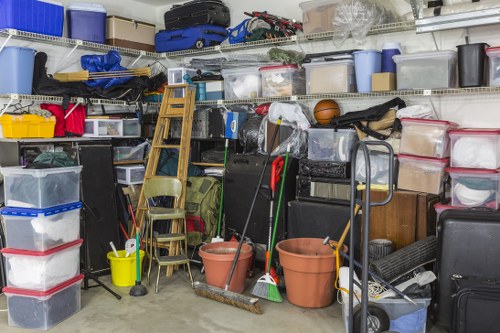
Not every office clearance is about large furniture. Many involve boxes of archived material, shelving contents, stationery supplies, display items, packaging and old files that have been left in cupboards or back rooms. These items can be easy to overlook until a clearance begins, but they often take a lot of time to sort properly. A thoughtful method keeps the process moving without turning it into a rushed emptying exercise.
Stored contents may also include mixed-value items: some usable, some obsolete and some requiring a closer look before disposal. We do not treat every box the same way, because doing so would risk moving items too quickly and losing the chance to separate what the business still needs. That is particularly important in offices that have been occupied for a long time or where storage has built up in several different places.
Where a clearance includes a substantial amount of general office waste, there may be a role for a broader removal service alongside furniture work. Our waste removal page is useful if the job is not limited to fixtures and fittings, while the present page is focused on office-specific clearances in Wandsworth. If you are preparing an enquiry, it is usually enough to describe the main areas and approximate contents in plain terms.
Working around access, layout and building constraints

Commercial premises rarely offer ideal access at every point in the day. Offices may share corridors, lifts, loading areas or reception routes with other occupants, and that means the clearance needs to be organised around the building rather than around the item list alone. We take access into account when planning the move so the clearance remains orderly and practical for the site.
Layout also affects how the work is carried out. A long corridor, a compact stairwell or a restricted entrance can change the order in which furniture is removed and may influence whether certain items should be dismantled first. These considerations are especially relevant when the office contains a combination of large pieces and smaller objects. A sensible approach avoids unnecessary handling and keeps the workplace usable for as long as possible during the clearance.
When you contact us, it is helpful to mention anything that might shape the job: lift access, floor number, parking limitations, locked rooms or items that cannot be shifted without disassembly. The more accurate the picture, the more useful the quotation can be. For an overview of how we deal with different spaces, our home clearance page may be useful as a related example of general property clearance work, although this page remains centred on offices rather than domestic premises.
Useful details to include in an enquiry are simple:
- which rooms or areas need clearing
- the main item types involved
- any access restrictions or site rules
- whether anything is to be kept, set aside or moved separately
Recycling, reuse and responsible disposal
Office clearance is not only about taking items away; it is also about handling them in a way that makes sense for their condition and material type. Some office contents may be suitable for reuse, while others are better dealt with as waste. Sorting the two properly helps keep the clearance organised and supports more responsible disposal of the remaining items.
Where furniture or equipment has reached the end of its practical life, it still needs to be removed in a way that respects the different materials involved. A desk is not the same as a filing cabinet, and a computer accessory is not the same as a boxed stack of stationery. That distinction matters when the aim is to clear a space without treating every item in the same broad category. If you want to understand our wider approach, the recycling and sustainability page sets out the general principles behind how recoverable materials are considered.
Some office jobs also include mixed items from different departments, which can be harder to sort if they have been stored together for a long time. In those situations, a practical order of work is important: first identify what stays, then separate what can be reused or retained, and finally clear the remainder. That approach keeps the process focused and avoids unnecessary repetition. It is especially useful when the clearance covers both everyday office contents and older stored items.
Business waste and wider commercial clearances

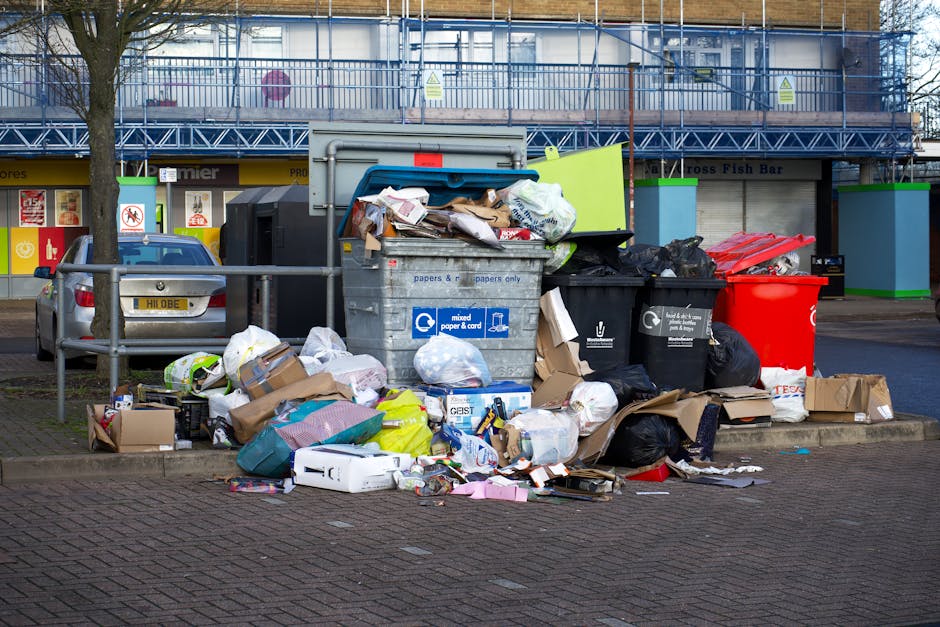
Many customers who ask for office clearance also need help with related commercial waste. That can include packaging, stockroom contents, excess supplies, shelving, display materials or surplus items from a move, refit or downsizing project. In those cases the job is not confined to desks and chairs; it becomes a broader clear-out of business space that still needs a tidy, organised method.
If your requirements extend beyond the office floor itself, a separate business waste arrangement may be more suitable for part of the job. Our business waste removal page covers that broader type of commercial work, while office clearance remains the better fit when the main task is removing the contents of work areas, storage rooms and support spaces. It is often useful to separate these two ideas when planning a quotation, because the item mix can be very different.
How we think about a mixed commercial load
A mixed commercial load usually benefits from being described in categories: furniture, equipment, packaging, storage contents and general waste. That makes it easier to identify the main work involved and to plan the removal sequence. It also helps the customer decide whether any items should be moved in advance, whether some are to be retained and whether separate rooms should be cleared in stages. Clear categories lead to clearer arrangements.
About Wandsworth
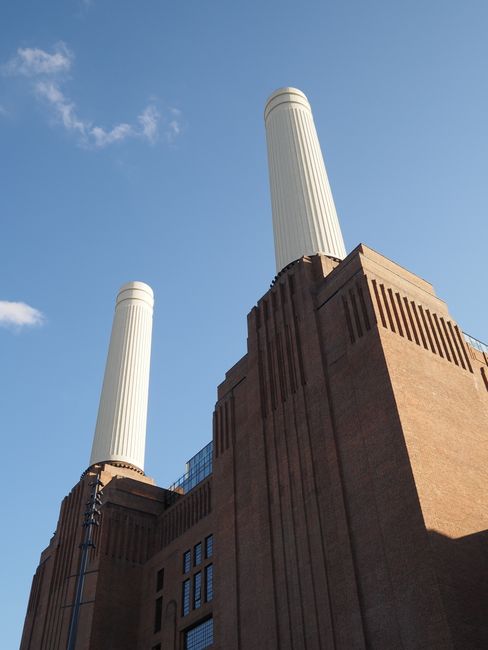
Wandsworth is a district in south-west London on the south bank of the River Thames, long associated with a mix of riverside industry, residential streets and transport links that connect it to the wider capital. The area takes its name from the River Wandle, which meets the Thames nearby, and traces of that waterway remain part of the local geography even as the district has changed from older manufacturing and riverside uses to a more varied urban environment. Wandsworth Town is distinct from the wider London Borough of Wandsworth, which covers a much larger area including Putney, Battersea, Tooting and Balham, so the name can refer to both a local centre and a broader administrative district depending on context. The nearby Thames Path and the river itself contribute to the area’s character, while green spaces such as Wandsworth Common and the open ground around King George’s Park add a different pace to the streetscape. The railway and bridge crossings have long shaped movement through the district, and Wandsworth Town station remains a useful local focus. Historic buildings sit alongside newer developments, reflecting several phases of change rather than a single architectural style. A well-known landmark is the Grade II listed Battersea Power Station just east of the district boundary, while within Wandsworth itself the mix of Victorian terraces, post-war buildings and contemporary schemes gives the area a layered appearance. The Southside shopping and leisure complex, local pubs, churches and community venues all contribute to everyday life, and the borough’s museums, libraries and parks help support a busy urban setting with identifiable neighbourhood centres. Wandsworth therefore combines riverside geography, older urban history and modern redevelopment in a way that makes it recognisable without being static, and its varied streets and open spaces continue to define how people experience the district today.
Office clear-outs for moves, refurbishments and changes of use
Office clearance often becomes necessary at moments of transition: a move to a new address, a refurbishment of existing premises, a reduction in desk space or the end of a tenancy. Each of these situations creates different practical needs. A move may require a fuller emptying of the site, while a refurbishment may only involve selected rooms, and a change of use can involve the removal of almost everything that is no longer needed.
Those changes are easier to manage when the clearance is planned around the intended end state. If certain items are staying in the building, they should be identified before the main removal begins. If furniture is to be dismantled or stacked temporarily, that should be accounted for too. We can work through clearances of this kind in a steady, organised manner, keeping the emphasis on what has to leave and what needs to remain undisturbed.
When you are comparing options, it may help to look at the broader structure of the premises as much as the items themselves. A room that has been partly emptied already is different from a floor that is still fully occupied by furniture and files. For offices where the contents have been spread across several spaces, our flat clearance page may sound unrelated but can help illustrate the type of item sorting and access considerations that also arise in compact, enclosed spaces. Commercial clearances work best when the layout is described plainly.
Preparing a clear quotation for office clearance

A useful quotation starts with straightforward information rather than a long explanation. Tell us what kind of office space you have, which rooms need clearing and what the main contents are. If there are items that need to stay on site, or pieces that must be handled separately, mention that as well. Accurate detail early on helps the arrangement stay clear and avoids assumptions about the scale of the work.
Photographs can be helpful if the job includes bulky furniture, heavy storage or rooms that are difficult to describe concisely. If you do not have images, a short written summary can still be enough for an initial discussion. The key is to identify the principal items and any access points that may affect removal. Once those basics are clear, it is easier to shape a practical quotation and agree the next step without confusion.
For a direct enquiry, you can simply ask for a quotation and mention that the work is for office clearance in Wandsworth. If you would like to review our general approach before sending details, the about us page gives a broader company overview, while this page remains focused on the service itself. Either way, the best starting point is a clear description of the rooms, contents and timing needs.