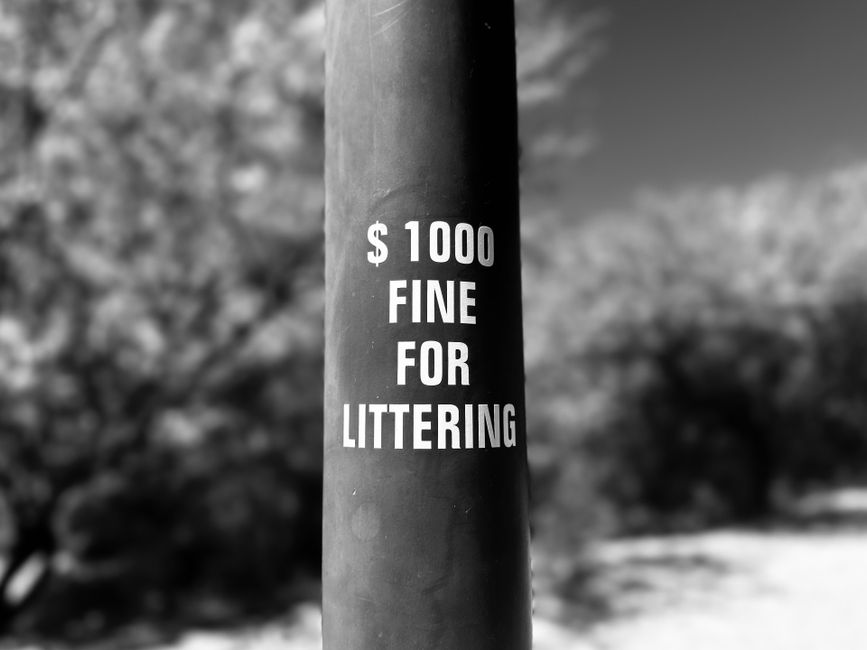
Fines for Improper Rubbish Disposal in Wandsworth Explained

If you have ever left a black bag beside a full bin, parked a sofa on the pavement for "just one night," or wondered whether that builder's waste could wait until the weekend, you are not alone. The trouble is that rubbish rules in Wandsworth are taken seriously, and the consequences for getting them wrong can be surprisingly costly. This guide on Fines for Improper Rubbish Disposal in Wandsworth Explained breaks down what the issue means, how enforcement usually works, what people often get wrong, and how to avoid a fine without making waste disposal a headache.
Truth be told, most problems are preventable. A bit of planning, the right disposal method, and a clear understanding of your responsibilities can save money, time, and a very annoying letter dropping through the door. Let's make it straightforward.
Why Fines for Improper Rubbish Disposal in Wandsworth Explained Matters
Rubbish enforcement is not just about keeping streets tidy, although that matters too. It is about protecting public spaces, reducing fly-tipping, stopping pests, and making sure waste goes to the right place rather than drifting into an alley, a communal bin store, or someone else's responsibility. In a busy borough like Wandsworth, small mistakes can quickly become visible problems.
Improper disposal can lead to a few different outcomes. Some are informal, like a warning or a request to move waste. Others are more serious and may involve a fixed penalty or other enforcement action. The exact response depends on what happened, where it happened, and how it was handled. That uncertainty is one reason people look for clear guidance before they put anything out.
It also matters because responsibility does not always sit where people think it does. If you hire someone who dumps waste illegally, you may still have questions to answer if you did not check who they were or what they were doing with your rubbish. That is the part many people miss. A quick deal can become an expensive lesson. Not ideal.
If you are clearing a flat, a house, a garage, or an office, the right waste route is often simpler than the risky one. Services such as professional waste removal can help avoid the kind of mess that attracts attention in the first place. For more complex clear-outs, it can also make sense to look at house clearance, office clearance, or builders waste clearance depending on the situation.
Expert summary: The safest approach is simple: keep waste contained, use the correct collection route, and never assume that "putting it out" is the same as disposing of it properly.
How Fines for Improper Rubbish Disposal in Wandsworth Explained Works
In plain English, improper rubbish disposal usually means leaving waste somewhere it should not be, handing it to the wrong person, or failing to follow the expected process for collection and disposal. That can include items left on the pavement, waste dumped beside communal bins, fly-tipped materials, or rubbish placed out without permission or proper preparation.
Enforcement normally starts with observation or evidence. That might be a reported incident, CCTV, a witness account, or waste that can be traced back to a household or business. The authorities then decide whether the issue is a simple collection problem, a littering offence, a fly-tipping incident, or something else. The distinction matters because the response can vary a lot.
Here is the practical reality: some people think a bag on the street is "just messy," but if it is set down in the wrong way or at the wrong time, it can be treated as unlawful disposal. Equally, rubbish left outside a property because a tenant is moving out may seem temporary, yet it can still create an enforcement issue if it blocks the pavement or attracts vermin.
There is also a difference between waste that is not yet collected and waste that has been abandoned. Councils and enforcement teams look at context. Was it wrapped, scheduled, and part of an agreed collection? Or was it dumped and forgotten? Small detail, big difference.
For business owners, the bar is often higher because commercial waste has to be handled with particular care. Regular collections, documentation, and proper transfer practices help avoid problems. If your office is being emptied, it may be smarter to use a managed service like business waste removal rather than trying to sort it piecemeal after staff have already started clearing desks and cupboards.
What usually triggers a fine?
- Dumping rubbish on streets, pavements, or communal land
- Leaving waste outside too early or without permission
- Using the wrong bins or overfilling communal containers
- Handing waste to an unlicensed or unreliable collector
- Failing to deal with bulky items correctly
- Leaving renovation waste from DIY or building work in the wrong place
To be fair, most people do not set out to break the rules. They are usually trying to get rid of something quickly. But waste law is one of those areas where "quickly" can turn into "costly" in a blink.
Key Benefits and Practical Advantages
Proper rubbish disposal is not just about avoiding penalties. It makes daily life easier in ways people only really notice once things go wrong. A cleared hallway feels calmer. A tidy back alley smells better. Shared spaces become more usable. And yes, neighbours tend to be happier when bags are not piled up beside their front door.
The first obvious benefit is risk reduction. If you dispose of waste properly, you reduce the chance of enforcement action, cleanup costs, and disputes with neighbours or landlords. That alone is worth it. The second is convenience. A proper disposal plan usually saves time because you are not trying to fix avoidable problems later.
There is also a financial upside. While responsible disposal can have a cost, it is usually easier to budget for a planned collection than to absorb a fine, an emergency callout, or the cost of removing waste after it has been left out too long. For people comparing options, checking pricing and quotes early can help you make a grounded decision rather than a rushed one.
Another practical benefit is traceability. When waste is handled through a proper service, you have a clearer paper trail and a better sense of what was collected. That can matter a lot for businesses and landlords, especially if there is ever a question about who was responsible.
And there is a softer benefit too: peace of mind. You know the job was done, the waste went where it should, and you are not waiting for a complaint or knock on the door. That calm feeling is worth more than people admit.
Who This Is For and When It Makes Sense
This topic matters to a lot of people, not just one type of resident. In Wandsworth, the most common readers are usually homeowners, renters, landlords, office managers, builders, and anyone clearing out bulky items after a move or renovation. If that sounds like you, this section will probably save you a bit of stress.
It makes sense to pay close attention if you are:
- moving house and need to clear unwanted furniture
- clearing a flat where space is tight and bins fill up fast
- dealing with loft, garage, or garden clutter
- managing office furniture or archive waste
- handling DIY rubble, tiles, timber, or packaging
- trying to help an elderly relative clear a property
- overseeing a rental property between tenants
For example, a landlord might assume a tenant's left-behind items can just be stacked near the building for later collection. But if that pile blocks access or sits there unsafely, it can become a nuisance very quickly. A family clearing a late relative's home may face the same issue: what feels like a temporary staging area can become a compliance problem if no plan is in place.
If bulky items are involved, services such as furniture clearance, furniture disposal, flat clearance, loft clearance, or garage clearance may fit the job better than trying to piece it together yourself. The right choice depends on volume, access, and what type of waste you actually have.
And if you are dealing with outdoor waste, you may want to look at garden clearance for green waste or home clearance for mixed domestic items. Different waste streams, different handling.
Step-by-Step Guidance
If you want to avoid fines and keep the process smooth, follow a simple sequence. It does not need to be fancy. It just needs to be sensible.
- Identify the waste properly. Separate household rubbish, bulky items, garden cuttings, builders' waste, and anything that may need special handling.
- Check whether it can go in regular collections. Small household waste may fit standard arrangements, but bulky or hazardous material usually needs a different route.
- Decide who is responsible. If you are a tenant, landlord, business owner, or contractor, make sure the obligation is clear before anything is moved.
- Use appropriate containers or collection methods. Bags should be secure, items should not block walkways, and waste should not be left out early.
- Choose a lawful disposal route. For many readers, this means booking a proper clearance service rather than relying on a cheap informal arrangement.
- Keep a note of what was removed. This is especially useful for businesses and property managers.
- Double-check before collection day. A quick look in the morning can prevent fly-tipping style mistakes. Half the battle is simply being organised before 8 a.m., really.
When the waste is mixed or substantial, managed removal is often the easiest option. If you are emptying a workplace, consider office clearance. If the waste is from a renovation or refurbishment, builders waste clearance is the more suitable route. Each one helps reduce the risk of accidental non-compliance because the waste is handled in a way that matches the job.
Expert Tips for Better Results
Here are the small details that make a big difference. In our experience, these are the bits people are most likely to overlook when they are in a rush.
- Do not mix waste types if you can avoid it. A tidy separation of rubbish, furniture, wood, garden waste, and rubble makes disposal much simpler.
- Take photos before and after clearance. It sounds overly cautious, but it helps if you need to show what was removed or where it came from.
- Make access easy. If a clearance team has to wrestle a wardrobe down a narrow stairwell, the whole job takes longer and gets messier.
- Ask about handling of reusable items. Some furniture can be diverted from disposal altogether, which is better for the environment and often more efficient.
- Check payment and booking terms in advance. Nobody enjoys awkward surprises at the door.
- Keep communal areas clear. If you live in a block, this one matters more than most people think.
A small but useful habit: label piles by room or category. "Kitchen," "attic," "rubble," "old chairs." It saves faffing about later. Not glamorous, but effective.
If sustainability matters to you, it is worth looking at how a provider approaches reuse and recycling. A service with a clearer recycling mindset can reduce the amount of material sent to disposal and make the process feel less wasteful overall. You can also review the company's recycling and sustainability approach to understand how it handles materials more responsibly.
Common Mistakes to Avoid
Most fines and complaints come from a fairly predictable list of mistakes. Once you know them, they are easy enough to avoid.
- Leaving rubbish outside too early. What looks convenient to you can look like abandoned waste to everyone else.
- Using the wrong collection point. Communal bin stores, kerbside spaces, and shared entrances all have different expectations.
- Assuming someone else will deal with it. "It was there already" is not always a strong defence.
- Hiring an unverified collector. A bargain is not a bargain if your waste ends up dumped somewhere else.
- Ignoring bulky items. Sofas, mattresses, broken cabinets, and office furniture are often the real problem items.
- Mixing builders' waste with domestic rubbish. It creates confusion and can trigger a bad disposal decision.
- Forgetting about access and timing. A collection that cannot be made safely usually becomes delayed or aborted.
One common scenario is a quick end-of-tenancy clear-out. People stack items in a hallway, intend to move them later, and then-because life happens-the pile sits there overnight. By morning, the hallway feels smaller, the smell is worse, and the building manager is asking questions. Happens more than you would think.
If you are clearing sensitive items or simply want a cleaner handover, a service like house clearance can reduce the chance of these mistakes by handling the whole process in one go.
Tools, Resources and Recommendations
You do not need a complicated toolkit to deal with rubbish properly, but a few practical resources can make the process much easier.
| Need | Practical option | Why it helps |
|---|---|---|
| Bulky household items | Furniture clearance or disposal service | Avoids blocked pavements and awkward lifting |
| Renovation debris | Builders waste clearance | Handles rubble, timber, packaging, and mixed site waste |
| Office cleanout | Office clearance or business waste removal | Keeps staff areas clear and reduces compliance risk |
| Mixed domestic clutter | Home clearance | Useful for all-round decluttering without multiple trips |
| Outdoor waste | Garden clearance | Separates green waste from general rubbish |
Other practical tools include strong bags, gloves, a tape measure for bulky items, labels, and a simple checklist. Nothing fancy. The aim is to stop waste from hanging around in the wrong place for too long.
If cost is a concern, compare options before you commit. A quote for a full clearance can sometimes be more cost-effective than several smaller ad hoc removals. You can start by reviewing pricing and quotes and then deciding what level of support fits the job.
For readers who want more background on how the business works and what to expect, the company's about us page is a useful starting point. If you want to understand policies around service, payments, or conduct, the site's terms and conditions and payment and security pages can also be worth a look.
Law, Compliance, Standards, or Best Practice
When people search for fines for improper rubbish disposal, they are usually asking two things at once: what is allowed, and what happens if it goes wrong. The safest answer is to treat waste disposal as a responsibility, not just a convenience. In the UK, waste must be managed carefully, and local authorities can take action where rubbish is dumped, littered, or left in a way that creates a nuisance or hazard.
Because enforcement can depend on the facts of the case, it is wise not to rely on assumptions. A small pile may seem harmless, but if it is in the wrong place or attracts vermin, it can become an issue. Likewise, a contractor who removes waste without proper care can create risk for the client as well as themselves.
Best practice is straightforward:
- make sure waste is collected by a suitable and trustworthy provider
- keep records where appropriate, especially for business waste
- do not obstruct public access routes
- separate hazardous or specialist items from general rubbish
- avoid leaving waste out without a clear collection plan
For businesses, having a routine is especially useful. A repeat collection schedule, a known point of contact, and a clear disposal policy reduce confusion and keep things tidy. If your operation generates regular waste, business waste removal is usually more robust than a one-off ad hoc arrangement.
And for anyone dealing with home or property clearance, a reputable service that understands access, safety, and disposal standards is usually the least stressful route. You want the job done properly the first time. Simple as that.
Options, Methods, or Comparison Table
There is no single best option for everyone. It depends on the type of waste, urgency, budget, and how much lifting you want to do yourself. Here is a practical comparison.
| Method | Best for | Pros | Trade-offs |
|---|---|---|---|
| Household bin collection | Small routine rubbish | Convenient, familiar, low effort | Not suitable for bulky or mixed waste |
| DIY transport to disposal | Small-to-medium loads with access to a vehicle | Direct control, can be cost conscious | Time-consuming, lifting, fuel and parking hassles |
| Specialist clearance service | Bulky, mixed, heavy, or time-sensitive waste | Less stress, safer handling, better for compliance | Usually more expensive than doing nothing |
| Informal collection | Honestly, very little | May seem cheap up front | Higher risk of fines, fly-tipping, and poor handling |
For a small flat clear-out, the specialist route often wins because it removes several problems at once. For a single bag or two, standard disposal might be enough. The key is matching the method to the waste, not the other way around.
Case Study or Real-World Example
Picture a typical Wandsworth weekday afternoon. A resident is moving out of a one-bedroom flat. The lift is busy, the hallway is narrow, and there is a sofa, a coffee table, a broken chair, and a few sacks of mixed household waste. They plan to "just leave it by the entrance for collection later."
By 7 a.m. the next morning, the sofa is still there. Someone has already walked around it twice. The building manager is unhappy, the neighbours are annoyed, and the waste is now in a position that looks abandoned rather than temporary. That is the sort of situation that can trigger attention.
Now compare that with a planned clearance. The resident books a flat clearance, separates the items, makes sure access is clear, and sets a collection time that avoids overnight storage in a communal area. The job is completed without fuss, the entrance stays tidy, and there is no awkward exchange later. Same items. Very different outcome.
It is a small example, but it captures the bigger point: the fine usually is not about the object itself. It is about the handling, timing, and location. That is where people slip up.
Practical Checklist
Use this quick checklist before putting anything out or booking a collection.
- Have I identified exactly what type of waste this is?
- Is it household, bulky, garden, business, or builders' waste?
- Can it go in a normal bin or scheduled collection?
- Will it block access, paths, or communal spaces if left outside?
- Do I know who is responsible for disposal?
- Have I chosen a legitimate collection route?
- Have I separated reusable or recyclable items?
- Have I kept notes, photos, or records if needed?
- Is the timing safe and appropriate?
- Have I checked the provider's policies if I am using a service?
If you can tick most of those off, you are in a much better place. If not, pause and sort it before the pile becomes a problem. A few extra minutes now can save a lot of drama later.
You can also review practical company information such as health and safety policy, insurance and safety, and complaints procedure if you want added reassurance before booking a clearance.
Get a free quote today and see how much you can save.
Conclusion
Fines for improper rubbish disposal in Wandsworth are best understood as a reminder that waste needs a proper route, not a rushed one. Once you know the difference between normal disposal, bulky-item handling, commercial waste, and actual dumping, the whole subject becomes a lot less intimidating.
The main takeaway is simple: plan ahead, keep waste contained, and use the right disposal method for the job. That alone prevents most problems. If you are clearing a home, flat, office, garage, loft, or garden, choosing the right service can save time and keep you comfortably on the right side of local expectations.
And if there is one final thought worth holding onto, it is this: tidy disposal is not just about avoiding penalties. It is about making the space feel usable, respectful, and under control again. That is worth doing well.
Frequently Asked Questions
What counts as improper rubbish disposal in Wandsworth?
It usually means leaving waste where it should not be, dumping items in public areas, using the wrong disposal method, or handing waste to someone who does not remove it properly. Context matters, but the basic rule is simple: rubbish should be stored and collected in a lawful, sensible way.
Can I get fined for leaving a bag out overnight?
Potentially, yes, if the bag is left in the wrong place or in a way that causes nuisance, obstruction, or looks abandoned. A planned collection is very different from dumping. Timing and location matter more than most people expect.
Who is responsible if a rubbish collector dumps my waste illegally?
Responsibility can be complicated. If you hired someone without checking they were suitable, you may still have issues to deal with. That is why it is better to use a reputable provider and keep a clear record of what was removed.
Are fines only for fly-tipping?
No. Fly-tipping is one serious form of improper disposal, but other issues can also attract action, such as littering, obstruction, or leaving bulky waste in the wrong place. The exact outcome depends on the incident.
What should I do with bulky furniture in Wandsworth?
Bulky furniture is usually better handled through a planned collection rather than left outside. A furniture or house clearance service is often the simplest option, especially if access is awkward or there are several items to remove.
How can businesses reduce the risk of waste-related penalties?
Use a clear disposal process, keep records, separate waste types, and arrange regular commercial collections. For offices, regular managed removal is usually much safer than ad hoc disposal by staff.
Do garden waste and builders' waste need different handling?
Yes, usually they do. Green waste, soil, rubble, timber, and packaging should be treated according to the type of material. Mixing them all together can create avoidable problems and make disposal less efficient.
Is it cheaper to do rubbish removal myself?
Sometimes, but not always. Once you add vehicle hire, fuel, parking, lifting, time, and the risk of doing it wrong, a professional clearance can be better value. It depends on the volume and type of waste.
How do I know if a waste company is suitable?
Look for clarity about what they collect, how they work, what policies they have, and whether they explain payment and safety clearly. A trustworthy service should feel organised rather than vague.
What is the safest way to avoid a rubbish fine altogether?
Keep waste contained, do not leave it in public areas without permission, use the correct collection route, and avoid informal arrangements that sound too easy. In most cases, a proper clearance plan is the most reliable answer.
Can a landlord be affected by a tenant's rubbish problem?
Yes, especially if waste is left in communal areas, at the boundary of the property, or becomes a nuisance after a tenancy ends. It is worth dealing with clear-outs promptly and documenting what has been removed.
What should I do if I am unsure how to dispose of mixed waste?
Separate what you can, then choose a service that matches the dominant waste type. If the load is mixed, a general clearance option is often easier than trying to force it through several different channels.
Contact the team if you want to talk through a clearance before waste becomes a problem. A short conversation now can prevent a very long afternoon later.